- HOME
- NEWS
- EVENTS
- INDUSTRY RESOURCES
In The Orchard
- Biology
- Canopy management
- Environment
- Growing guides & manuals
- Harvest, post-harvest handling & quality
- Irrigation & drainage management
- Nutrition & soil health
- Orchard floor management
- Pests & diseases & crop protection
- Pollination
- Productivity, business & finance
- Varieties, propagation & new plantings
This is a search area with something cool written - SUPPLIERS
- FACTS & FIGURES
- LEVY FUNDED PROJECTS
- CONTACT US
- SHOP
- ABOUT
- MEMBERSHIP
- CLASSIFIEDS


 #ausmacadamias


Federal Budget delivers mixed outcome for agriculture
21 May 2026
 The 2026–27 Federal Budget delivered several measures expected to support Australian farm businesses, alongside ongoing concerns around future investment in regional infrastructure, drought preparedness and agricultural programs.
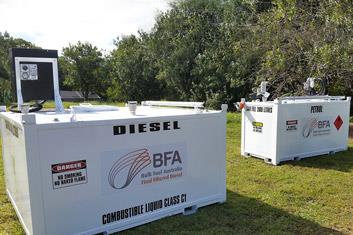
Fuel and fertiliser security
A major focus of the Budget was fuel and fertiliser security, with the Government announcing a $10 billion package aimed at strengthening domestic supply chains and reducing the risk of future disruptions. This includes measures to support Australia’s fuel reserves, supply chain resilience and long-term fertiliser security.
AMS, along with broader agriculture and horticulture organisations, welcomed the package amid ongoing volatility in fuel, fertiliser and freight costs, which continue to place pressure on farm businesses and regional supply chains.
Tax and business investment measures
The Budget also included several measures welcomed across agriculture, including:
- permanent extension of the $20,000 instant asset write-off for small businesses
- confirmation that primary production income will be exempt from proposed minimum trust tax changes
- continued access to concessional loans through the Regional Investment Corporation
- new loss carry-back provisions for eligible businesses.
These measures are expected to provide greater certainty for farm businesses investing in machinery, technology and productivity improvements.
Biosecurity, trade and drought resilience
Additional funding was also announced to strengthen biosecurity systems, trade operations and drought preparedness, including:
- investment to strengthen trade systems and reduce export red tape
- additional funding for northern biosecurity surveillance and border protection
- further investment in the APVMA and disease preparedness infrastructure
- significant support for climate adaptation and market resilience initiatives
- continued investment in drought resilience programs through the Future Drought Fund.
These investments are important for protecting Australia’s production systems, export markets and long-term industry resilience.
Concerns around regional investment and preparedness
At the same time, concerns were raised across the agriculture and horticulture sectors about reduced investment in several areas considered critical to the long-term productivity and resilience of regional Australia.
This included cuts to regional infrastructure and connectivity projects, alongside uncertainty around future investment in Inland Rail and regional technology support services. Reliable freight networks, telecommunications and regional connectivity remain essential for moving produce efficiently, supporting export growth and maintaining competitive farm businesses.
Industry groups also highlighted reductions across agriculture, fisheries and forestry grant programs, including funding linked to pest and weed management, biosecurity preparedness and resilience activities. Budget papers and industry analysis pointed to substantial reductions across several agricultural grant programs over coming years, including lower allocations for some biosecurity and sustainable agriculture initiatives.
Industry groups warned that any reduction in surveillance, preparedness or rapid response capability could increase long-term biosecurity, productivity and production risks for growers and regional industries.
Questions were also raised about future drought preparedness funding and the redirection of some uncommitted Future Drought Fund allocations. Across agriculture, organisations stressed that continued investment in drought resilience, water security and climate adaptation will remain critical as growers navigate increasingly variable seasonal conditions.
Workforce and operating pressures remain
Workforce availability also remains a major issue across horticulture and agriculture more broadly. Industry groups highlighted the importance of practical migration and labour policies that continue to support reliable access to seasonal and regional workers, particularly as labour shortages continue to impact production, harvesting and supply chain operations across many growing regions.
Rising input and compliance costs also continue to place pressure on farm profitability, reinforcing the importance of ongoing investment in productivity, infrastructure and regional resilience.
Our Events
Proudly Supported By

This website has been partly funded by Hort Innovation, using the macadamia research and development levy and contributions from the Australian Government.